Posted on

Dog Separation Anxiety: Signs, Causes and 8 Ways to Help

Dog waiting calmly at home alone

Coming home to a chewed door frame, a puddle on the floor or a neighbor complaining about howling can be upsetting, but it’s rarely bad behavior. Many dogs who act out when left alone are dealing with separation anxiety: real distress at being away from their people. The good news is that it can be improved with patience and the right approach.

What is separation anxiety?

Separation anxiety is a stress response that happens when a dog is left alone, or separated from the person they’re most attached to. It isn’t spite or revenge. Your dog isn’t punishing you for leaving; they’re genuinely panicking.

Signs of separation anxiety

The key is that these signs happen mostly or only when your dog is alone:

  • Howling, barking or whining after you leave
  • Chewing or scratching at doors, windows and exits
  • Accidents in a dog who is normally house-trained
  • Pacing, panting or drooling
  • Trying to escape
  • Following you from room to room, or getting anxious as you get ready to leave

Common triggers

Separation anxiety often starts after a change, such as a new work schedule, a move, a new baby, the loss of a family member or pet, or a stay at a shelter. That’s why it often shows up when owners return to the office after a long stretch at home.

1. Rule out medical problems first

Accidents, restlessness and chewing can have medical causes. A vet check makes sure you’re treating the right problem.

2. Practice very short absences

Start by leaving for just a few seconds, then come back before your dog gets worried. Slowly build up to a minute, then five, then longer. The goal is for your dog to experience being alone without panicking, so go at their pace, even if it’s slow.

3. Keep comings and goings boring

Big goodbyes and excited greetings make your absence feel like a big deal. Leave calmly, and when you come home, wait until your dog settles before greeting them warmly.

4. Exercise and sniff before you leave

A good walk with plenty of sniffing helps your dog feel tired and relaxed before alone time. Mental exercise matters as much as physical exercise.

5. Leave something enjoyable behind

Give your dog something to do as you leave. A Calm Sniff™ Snuffle ball with scattered kibble or an Interactive Dog Treat Ball keeps them busy through the first minutes, which are often the hardest. One important clue: if your dog won’t touch food while you’re gone, that’s a sign their anxiety is strong and it’s worth getting professional help.

6. Create a calm, comfortable spot

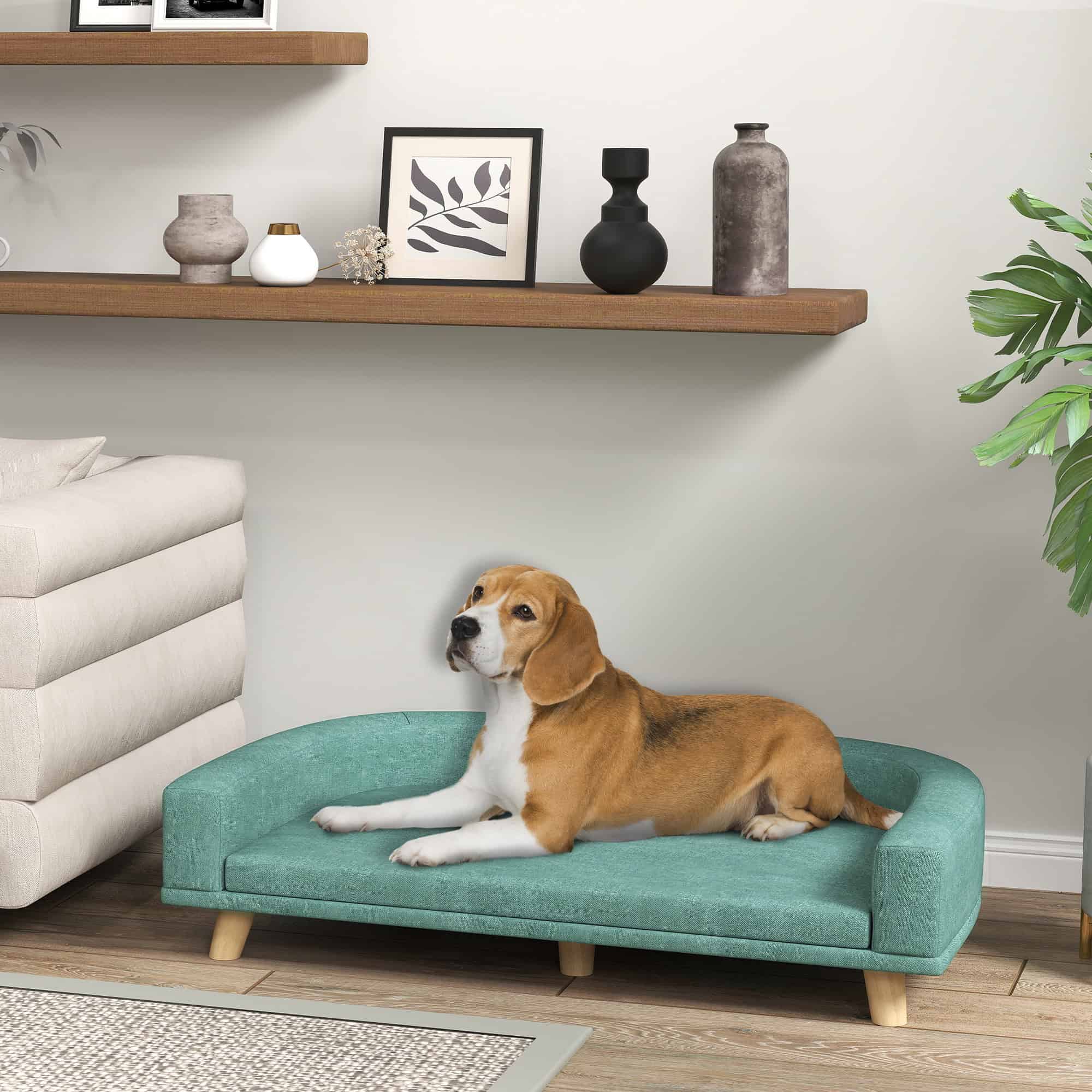
A cozy bed in a quiet part of the house gives your dog a place to rest. like A bolster bed from our calming dog beds collection gives them… gives them sides to lean against. Only use a crate if your dog already loves it; for some dogs with separation anxiety, being confined makes panic worse.

7. Watch what really happens

A simple pet camera or a phone recording can show you how your dog behaves when you leave: when the stress starts, how long it lasts and what helps. It’s also very useful to share with your vet or trainer.

8. Get professional help when needed

For moderate or severe separation anxiety, work with your vet, a veterinary behaviorist or a certified trainer. Your vet may recommend anti-anxiety medication alongside training, which can make a real difference. Please never punish your dog for things that happened while you were away. It adds fear without teaching anything. And getting a second dog usually doesn’t solve separation anxiety, because most dogs are attached to their people, not just to company.

A simple daily routine

  • Morning walk with lots of sniffing
  • Calm, low-key departure
  • Snuffle Ball or treat toy as you leave
  • Short practice absences on days off
  • Calm return, greet once your dog is settled

Every small step counts, and most dogs improve with consistent, gentle practice. For more ways to help your dog feel calm and comfortable at home, browse the CalmPaws shop
Posted on

How to Help a Dog with Car Anxiety: 9 Tips for Calmer Rides

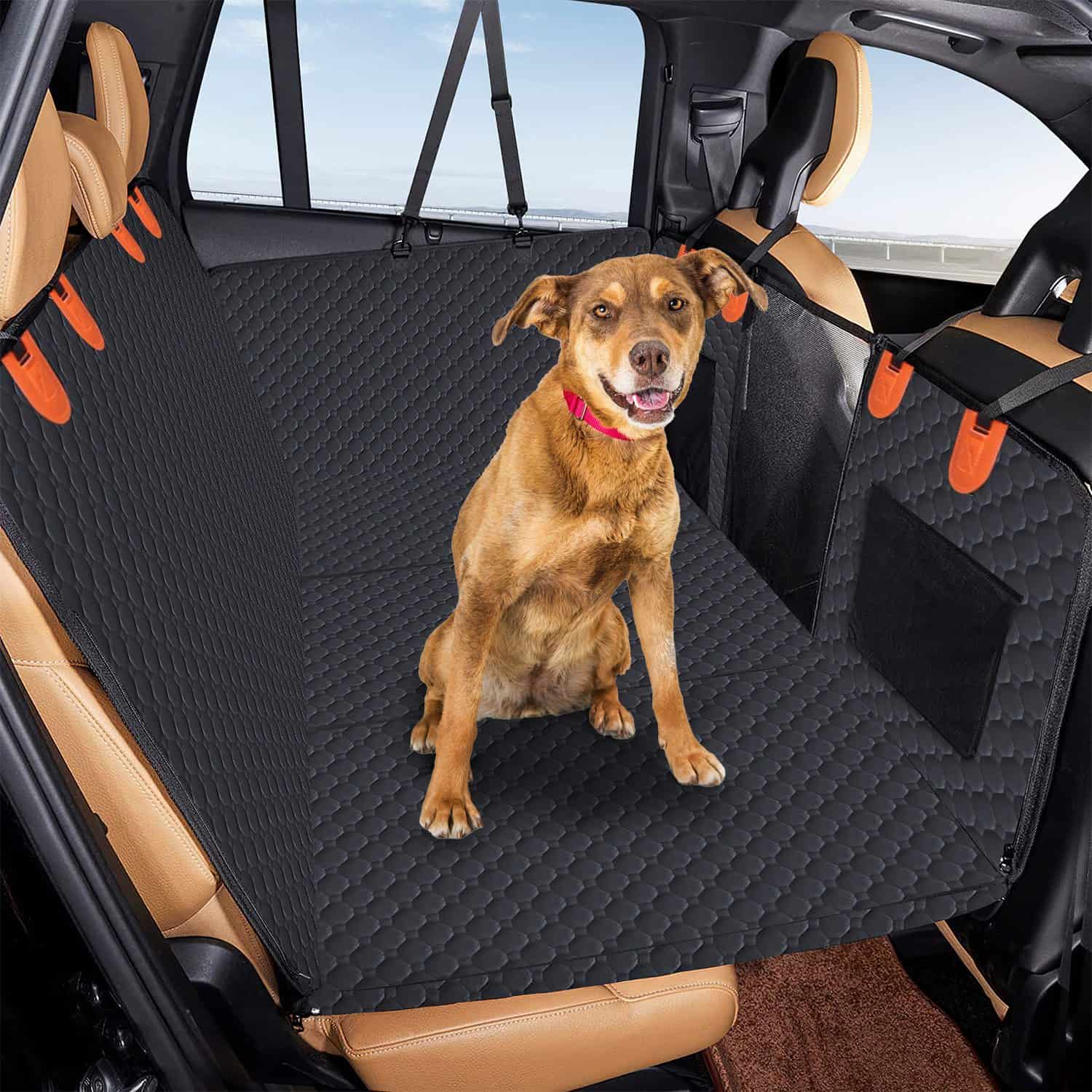
Dog sitting calmly on a car seat cover during a road trip

Does your dog pant, whine, drool or tremble the moment you pick up the car keys? Car anxiety is common in dogs, and with holiday road trips coming up, it’s the perfect time to work on it. The good news: most dogs can learn to feel calmer in the car with patience, the right setup and a few small steps.

Is it anxiety or motion sickness?

The two often look alike, and many dogs have a bit of both.

Signs of car anxiety:

  • Panting, whining or barking
  • Pacing or refusing to settle
  • Trembling or hiding
  • Refusing to get in the car

Signs of motion sickness:

  • Heavy drooling and lip licking
  • Yawning repeatedly
  • Vomiting during or after the ride

Puppies often grow out of motion sickness as their inner ear develops. If your dog regularly vomits in the car, talk to your vet, who can recommend safe anti-nausea options. Fixing the nausea often makes the anxiety much better too.

1. Start with the car parked

Before you go anywhere, help your dog enjoy simply being in the car. Sit with them in the parked car for a few minutes with the engine off. Offer treats, praise and a favorite toy, then get out. Repeat over several days until your dog hops in happily.

2. Take tiny practice trips

Next, turn the engine on, then drive to the end of the street and back. Build up slowly: around the block, then a five-minute drive, then ten. Keep every trip short enough that your dog stays relaxed.

3. Make the destination fun

If every car ride ends at the vet, your dog will learn to dread the car. Mix in rides that end somewhere great, like a favorite park, a quiet trail or a friend’s backyard.

4. Keep your dog safely secured

A dog sliding around the back seat feels unsafe, and is unsafe. Secure your dog with a crate or a car seat belt attached to a well-fitting harness. Never attach a car restraint to a collar. Our Calm Ride™ Dog Car Seat Belt clips to your dog’s harness to keep them secure and settled.

Keep windows mostly closed. A dog’s head out the window can be hit by debris, and a nervous dog may even try to jump.

5. Create a comfy, familiar space

Dogs feel calmer when their space feels stable and smells like home. Cover the back seat with a non-slip cover so your dog has solid footing, and bring their own blanket. The Calm Ride™ Waterproof Car Seat Cover gives nervous paws better grip and protects your seats from fur, mud and accidents.

6. Plan food and exercise

Take your dog for a good walk before the drive so they’re tired and have been to the bathroom. For dogs prone to nausea, skip the big meal for a few hours before you leave, but always keep water available.

7. Keep the car calm and cool

Drive smoothly and avoid sudden braking and sharp turns where you can. Keep the car cool and well ventilated, play soft music or keep things quiet, and stay relaxed yourself. Dogs pick up on our mood.

8. Plan breaks on long trips

On longer drives, stop every two to three hours for a short leashed walk, a bathroom break and some water. Always keep your dog leashed at rest stops.

Never leave your dog alone in a parked car. Even on mild days, the inside of a car can heat up dangerously in minutes.

9. Talk to your vet about severe anxiety

If your dog’s fear is intense or isn’t improving with gradual practice, ask your vet for help. They can check for motion sickness, suggest calming options or medication, or refer you to a behavior specialist. Never give your dog human medication without veterinary advice.

Holiday road trip checklist

  • Several short practice rides in the weeks before
  • Harness plus car seat belt, or a secure crate
  • Non-slip seat cover and a familiar blanket
  • Water bowl, leash, poop bags and treats
  • Walk before you leave, light meal only
  • Breaks every two to three hours
  • ID tag and microchip details up to date

With a little preparation, your dog can learn that car rides are just another adventure together. For more ways to make travel calmer and more comfortable, browse our Travel & Outdoor collection.

Posted on — 1 Comment

How to Calm Your Dog During Fireworks: 10 Vet-Backed Tips

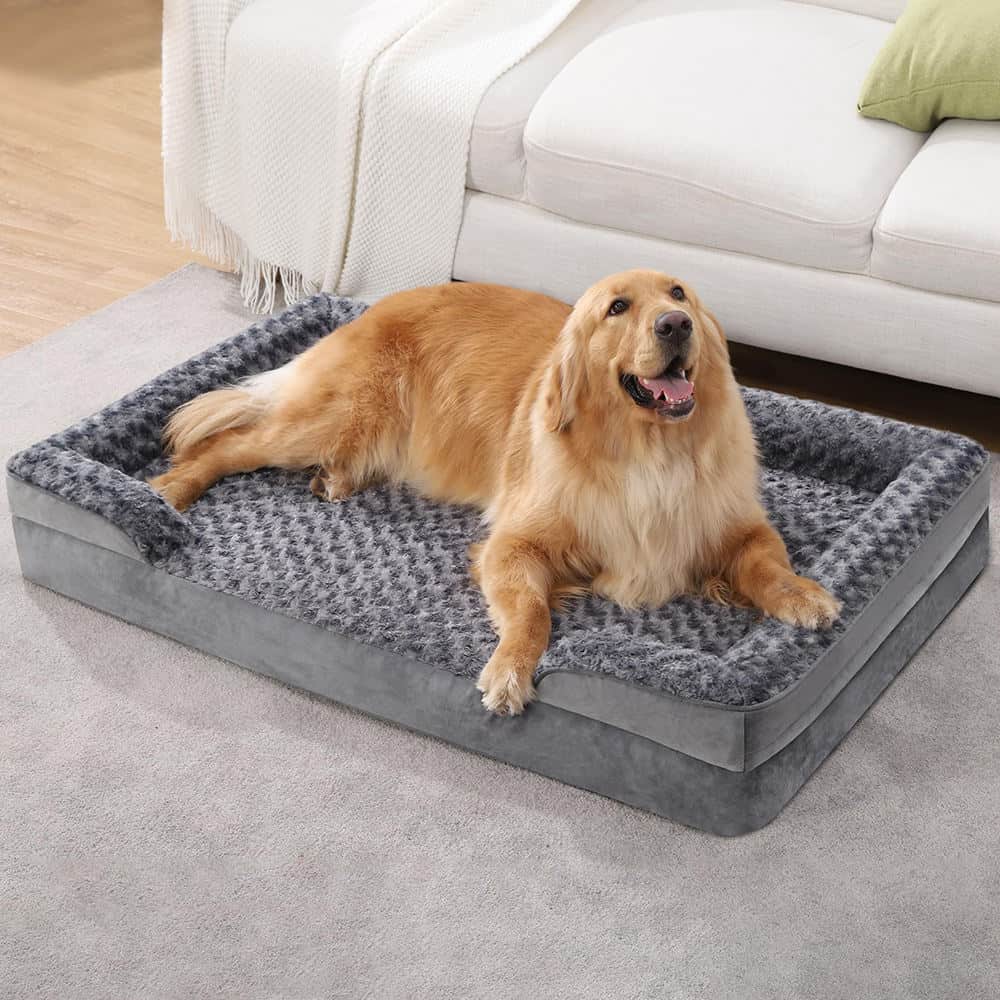
Dog relaxing in a bolster bed during fireworks

If your dog shakes, hides, pants or tries to bolt when the fireworks start, you’re not alone. Noise anxiety is one of the most common fears in dogs, and fireworks are especially hard on them: loud, unpredictable, and often going on for hours. The good news is that a little preparation can make New Year’s Eve, the Fourth of July and every celebration in between much easier for your dog, and for you.

Signs your dog is scared of fireworks

Fear doesn’t always look dramatic. Watch for:

  • Trembling, panting or drooling
  • Hiding, clinging to you or trying to escape
  • Pacing and not being able to settle
  • Barking, whining or howling
  • Tucked tail, flattened ears or wide “whale eyes”
  • Refusing food or treats

If you notice any of these, your dog needs help feeling safe. Here’s how to give it.

1. Build a calm, safe den before the big night

Dogs feel more secure in a small, enclosed space. A few days ahead, set up a cozy spot in the quietest room of your home, ideally an interior room with few windows. Add their favorite blanket and a supportive bed with raised sides they can lean into, like the ones in our calming dog beds collection.

Let your dog discover the den on calm days first, with treats and praise, so it already feels like a happy place when the noise begins.

2. Walk and feed earlier in the day

Take your dog for a long walk while it’s still light, before any fireworks start. A tired dog settles more easily. Feed dinner a little earlier too, since many dogs won’t eat once they’re stressed. Keep them on a leash, even in familiar areas: a sudden bang can make even a well-trained dog run.

3. Check ID tags and microchip details

More pets go missing around fireworks holidays than at almost any other time of year. Before the big night, make sure your dog’s collar tag has your current phone number, and log in to your microchip registry to confirm your details are up to date. It takes five minutes and could bring your dog home.

4. Secure doors, gates and windows

Frightened dogs can squeeze through gaps and jump fences they’d normally never attempt. Close windows, lock gates, and be careful when opening the front door to guests. If you have a yard, stay with your dog for bathroom breaks after dark.

5. Close the curtains and add background sound

Blocking the flashes and muffling the bangs makes a real difference. Close curtains or blinds, and turn on the TV, a fan, white noise or calming music at a comfortable volume to soften the sound of fireworks outside.

6. Give them something to focus on

Sniffing and licking are naturally calming for dogs. A snuffle Ball turns treats into a slow, absorbing sniffing game. Our Calm Sniff™ Snuffle ball is a customer favorite for evenings like this. A treat-dispensing toy such as the Interactive Dog Treat ball works well too. Start the activity before the fireworks begin, while your dog is still relaxed enough to enjoy it.

7. Comfort your dog, it’s okay

You may have heard that comforting a scared dog “rewards” the fear. Veterinary behaviorists now agree that’s a myth. Fear is an emotion, not a behavior you can accidentally train. If your dog comes to you for reassurance, calmly stroke them, speak softly and stay close. Just try to stay relaxed yourself, because dogs pick up on our mood.

8. Never punish fearful behavior

Barking, hiding or an accident indoors isn’t bad behavior on fireworks night. It’s panic. Scolding only adds to your dog’s stress. Stay patient and clean up quietly.

9. Leave your dog at home

Even dogs who seem fine in crowds can panic at a fireworks show. The noise is far louder up close, and it’s hard to keep a frightened dog safe in a crowd. Your dog will be much happier at home in their den, with you or a trusted sitter nearby.

10. Talk to your vet about severe anxiety

If your dog’s fear is intense, lasts for hours afterward, or gets worse every year, speak to your veterinarian well before the holiday. They can recommend options such as anti-anxiety medication, pheromone diffusers or a referral to a behavior specialist. Never give your dog human medication without veterinary advice.

Long-term: help your dog get used to loud noises

Between holidays, you can gradually teach your dog that loud sounds aren’t scary. Play recordings of fireworks at a very low volume while you give treats or play, and increase the volume slowly over several weeks, always staying below the level that worries them. Your vet or a certified trainer can help you build a plan.

Quick fireworks-night checklist

  • Long walk and early dinner before dark
  • ID tag and microchip details up to date
  • Doors, gates and windows secured
  • Cozy den set up in a quiet room
  • Curtains closed, TV or music on
  • Snuffle Ball or treat toy ready
  • You, staying calm and close
  • With a little planning, fireworks night can be just another cozy evening at home. For more ways to help your dog feel calm and comfortable, browse the CalmPaws shop.