Coming home to a chewed door frame, a puddle on the floor or a neighbor complaining about howling can be upsetting, but it’s rarely bad behavior. Many dogs who act out when left alone are dealing with separation anxiety: real distress at being away from their people. The good news is that it can be improved with patience and the right approach.
What is separation anxiety?
Separation anxiety is a stress response that happens when a dog is left alone, or separated from the person they’re most attached to. It isn’t spite or revenge. Your dog isn’t punishing you for leaving; they’re genuinely panicking.
Signs of separation anxiety
The key is that these signs happen mostly or only when your dog is alone:
- Howling, barking or whining after you leave
- Chewing or scratching at doors, windows and exits
- Accidents in a dog who is normally house-trained
- Pacing, panting or drooling
- Trying to escape
- Following you from room to room, or getting anxious as you get ready to leave
Common triggers
Separation anxiety often starts after a change, such as a new work schedule, a move, a new baby, the loss of a family member or pet, or a stay at a shelter. That’s why it often shows up when owners return to the office after a long stretch at home.
1. Rule out medical problems first
Accidents, restlessness and chewing can have medical causes. A vet check makes sure you’re treating the right problem.
2. Practice very short absences
Start by leaving for just a few seconds, then come back before your dog gets worried. Slowly build up to a minute, then five, then longer. The goal is for your dog to experience being alone without panicking, so go at their pace, even if it’s slow.
3. Keep comings and goings boring
Big goodbyes and excited greetings make your absence feel like a big deal. Leave calmly, and when you come home, wait until your dog settles before greeting them warmly.
4. Exercise and sniff before you leave
A good walk with plenty of sniffing helps your dog feel tired and relaxed before alone time. Mental exercise matters as much as physical exercise.
5. Leave something enjoyable behind
Give your dog something to do as you leave. A Calm Sniff™ Snuffle ball with scattered kibble or an Interactive Dog Treat Ball keeps them busy through the first minutes, which are often the hardest. One important clue: if your dog won’t touch food while you’re gone, that’s a sign their anxiety is strong and it’s worth getting professional help.
6. Create a calm, comfortable spot
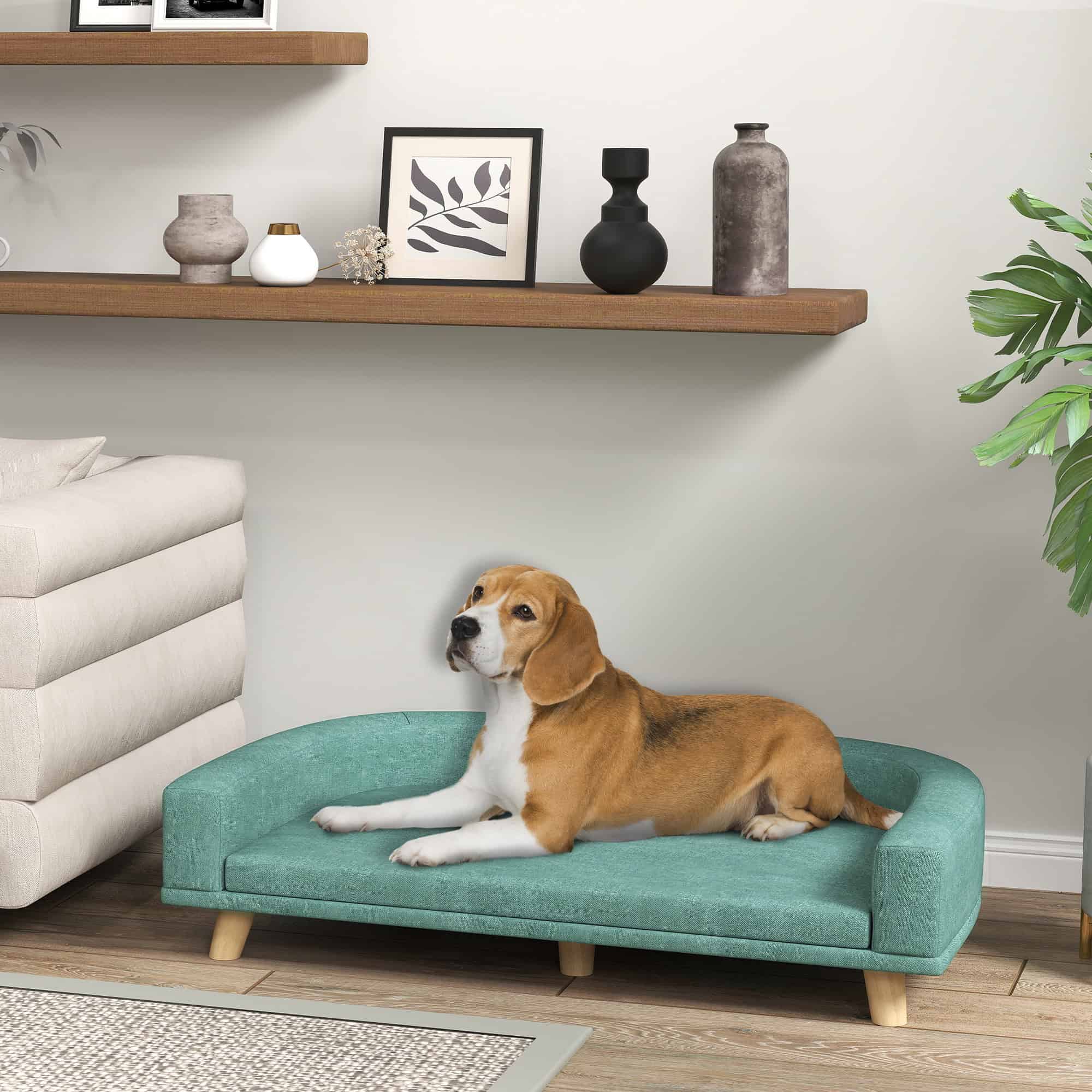
A cozy bed in a quiet part of the house gives your dog a place to rest. like A bolster bed from our calming dog beds collection gives them… gives them sides to lean against. Only use a crate if your dog already loves it; for some dogs with separation anxiety, being confined makes panic worse.
7. Watch what really happens
A simple pet camera or a phone recording can show you how your dog behaves when you leave: when the stress starts, how long it lasts and what helps. It’s also very useful to share with your vet or trainer.
8. Get professional help when needed
For moderate or severe separation anxiety, work with your vet, a veterinary behaviorist or a certified trainer. Your vet may recommend anti-anxiety medication alongside training, which can make a real difference. Please never punish your dog for things that happened while you were away. It adds fear without teaching anything. And getting a second dog usually doesn’t solve separation anxiety, because most dogs are attached to their people, not just to company.
A simple daily routine
- Morning walk with lots of sniffing
- Calm, low-key departure
- Snuffle Ball or treat toy as you leave
- Short practice absences on days off
- Calm return, greet once your dog is settled
Every small step counts, and most dogs improve with consistent, gentle practice. For more ways to help your dog feel calm and comfortable at home, browse the CalmPaws shop